

I started my trip in Japan visiting my shakuhachi master Fukuda Teruhisa in Tokyo. We practiced lots of music, including some of his compositions. For each piece, I asked him about the meaning and his intention. At a moment, I asked him if there was any particular order to play a set of pieces and he answered with a story, a Komuso story…
Meeting Komuso
During my first trip to Japan in April 2005, on the very first day, I came across a ceremony in Tokyo with Komuso, by chance. I couldn’t believe my eyes!

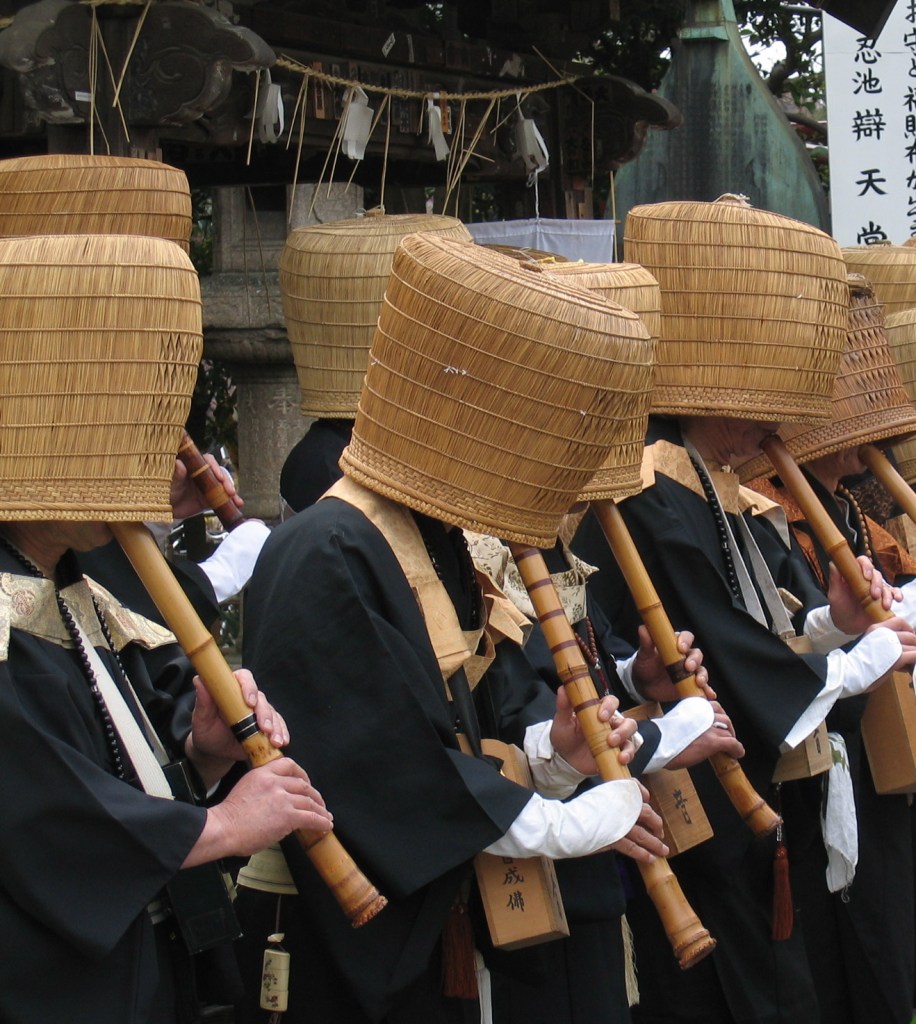
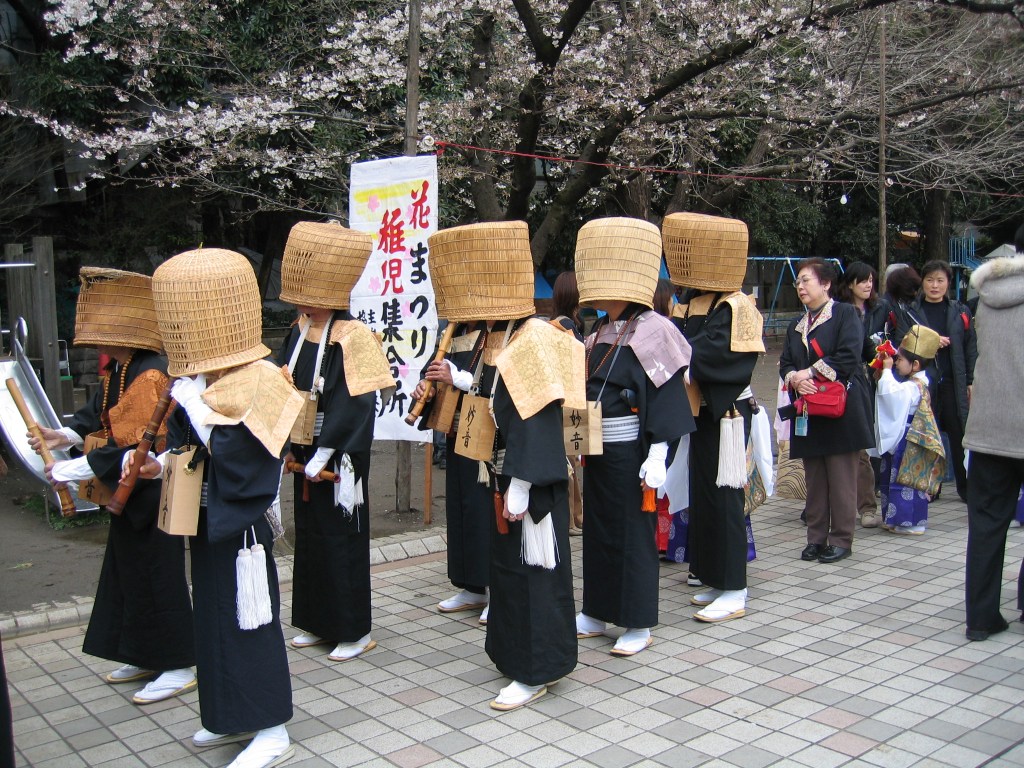


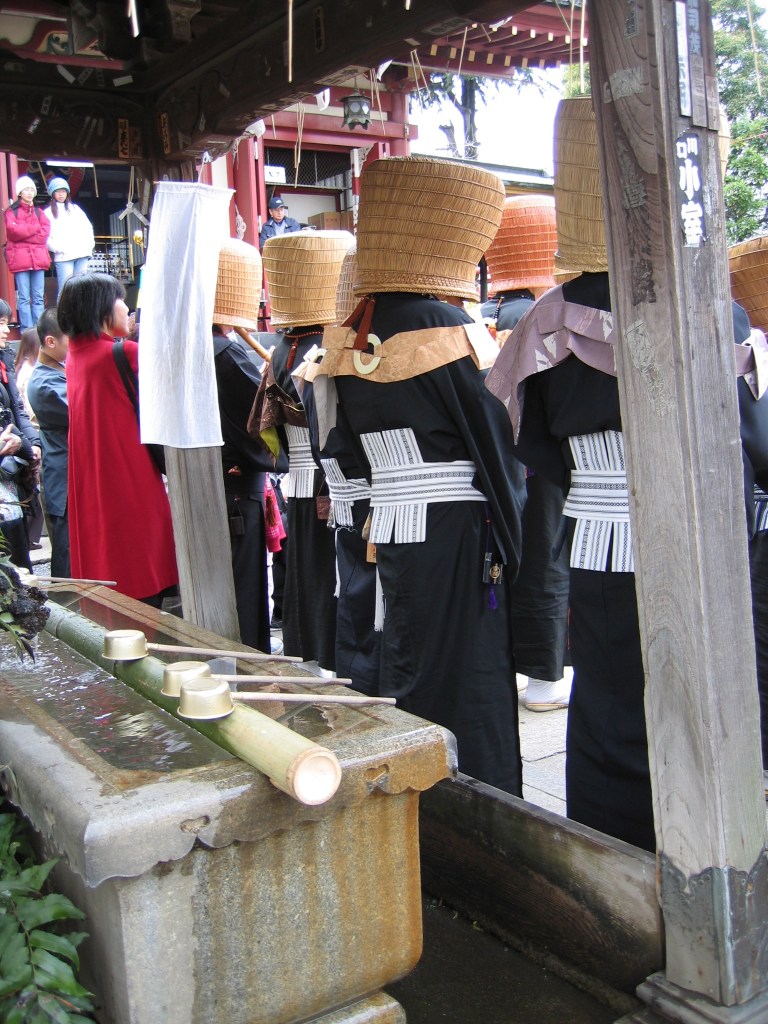
For this trip in May 2023, I had planned to meet two Komuso monks on the very last day in Nara, Fuu and Jonen, after visiting the Myoan-Ji (Shakuhachi Zen temple) in Kyoto the previous day. I was very curious.
Myoan-Ji (Kyoto)
The Myoan-Ji is part of the Tofukuji, which “has been one of the principal Zen temples in Kyoto and is the head temple of its own school within the Rinzai sect of Zen Buddhism” (Japan Guide)

Finding the Myoan-Ji was not very easy as it wasn’t indicated on the map, but eventually, walking around with the help of my friends Alexandra and Yuma, I saw and recognised the 尺八(Shakuhachi) sign.
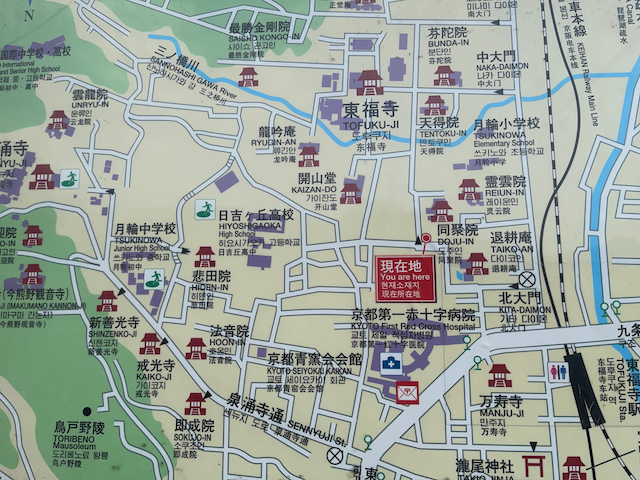
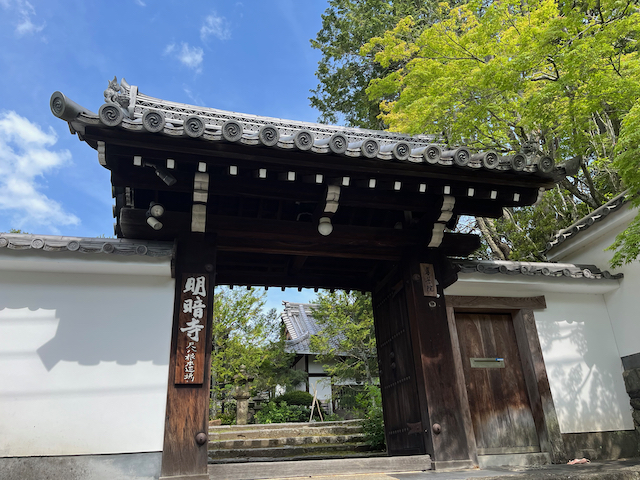

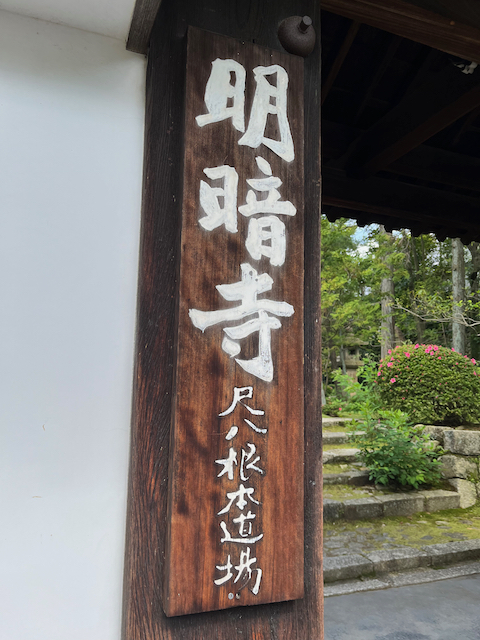


In the garden of the temple, I played several pieces in front of the Sui-zen stone, starting with the classical Honte Chōshi and Yamato Chōshi, and then playing our “Hijirikai Choshi”, a composition by Fukuda Teruhisa called Hijiri-no-shirabe (Hijiri-Chō) on a 2.1 shakuhachi.
This was very special. How many shakuhachi players had already played there?
Nara
The next day, I traveled to Nara to meet the Jodo Shu priest Jonen-san and the Komuso monk Fuu Miyatani French.
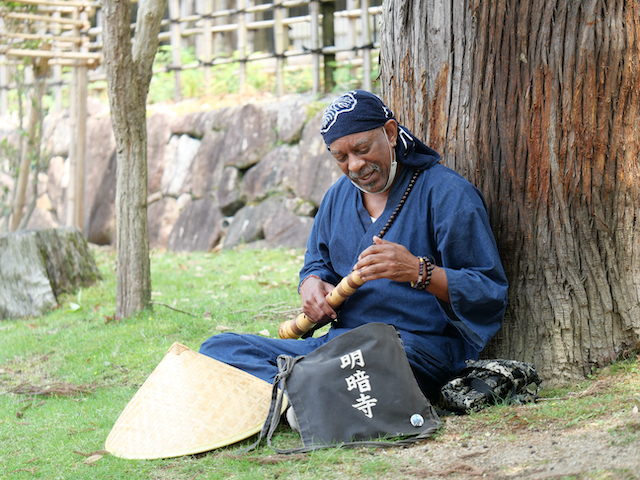

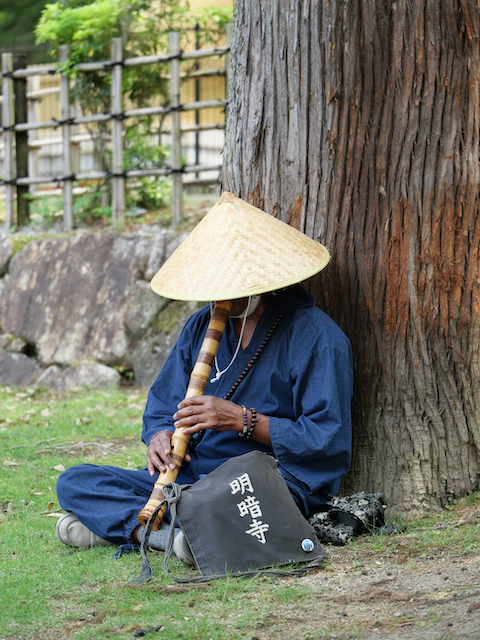
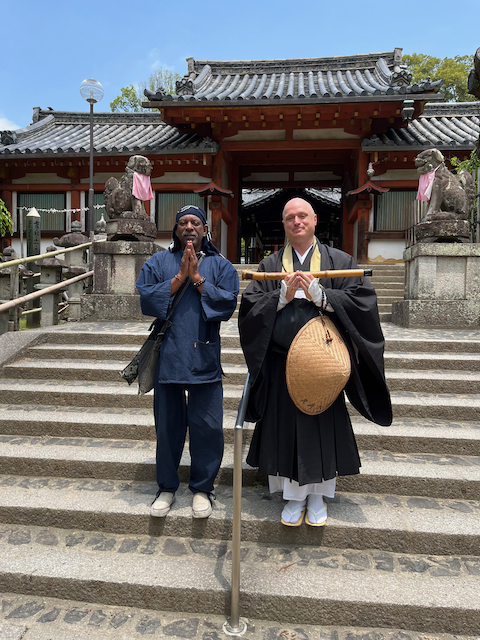

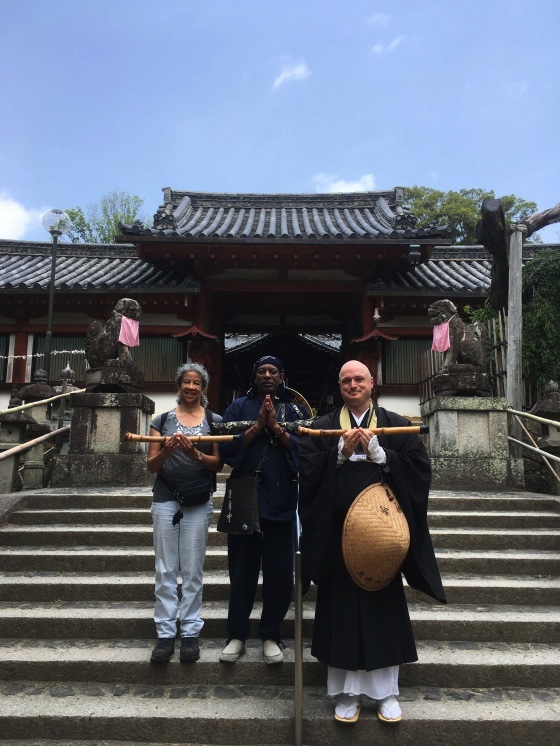
Fuu wrote his own blog post about this unforgettable day together here.
Wherever you play, accept all the sounds around you
After meeting at the JR-Train station, Jonen-san took us to play in a resonating shopping area next to a busy street full of noises of cars, buses, sirens of ambulances. Because there was a statue of the Buddhist priest Gyōki 行基 and there we played to honour the memory of this monk who did a lot for Nara and the Kansai area.
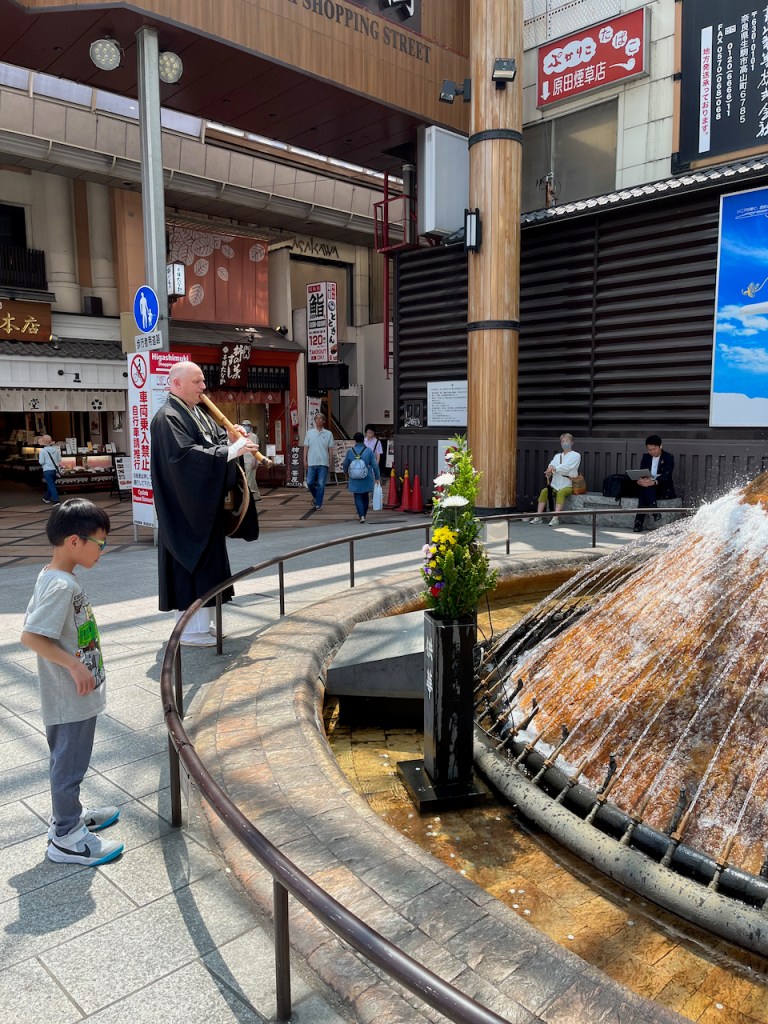

The energy of the sound of shakuhachi
That sound experience was very strong. Even though you can hardly hear yourself most of the time and nobody else can (quite the opposite of a concert!), the energy of the sound is there, the energy of your intention, prayer, offering, is there. And in a way, it cuts through the noise of human activities and connects you to a more global united sound. You can call it full awareness.
I had never experienced so strongly how my classical musician background had trained me to categorise and judge sounds (which I do need for my work), creating resistance to “noise”, but that I was also allowed to let go of it and just immerse myself in any sound environment, without disappearing. On the contrary, shakuhachi then connects you to a sense of harmony.
Choshi
Jonen-san plays only one piece in his shakuhachi rounds in Nara, repeating it over and over again, which is (Myoan) Choshi (also called Honte Choshi or Hon Shirabe). When you play outside, each time is different, because each environnement is different. “Choose one thing and stick to it” he would say.
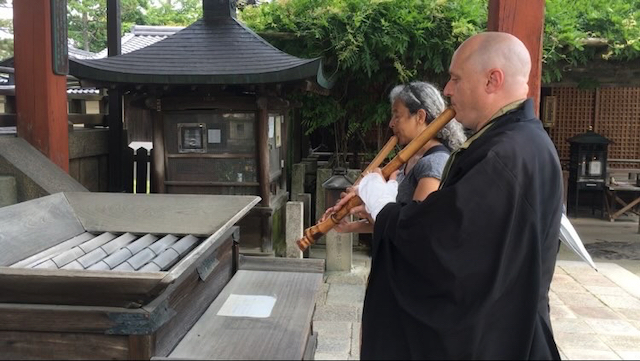
We had a great time playing Choshi together in our different lineages to create harmony and unity.
Jonen-san had even chosen a flute matching exactly mine, from the same family of shakuhachi makers (Gyokusui).
We also had inspiring exchanges of ideas and experiences that give matter to further reflection. And I got two magical gifts!!
At last, I played a solo Tamuke, filmed by Fuu:
Please take a moment to watch more videos about Fuu and Jonen.
Conclusion
I came back to the Netherlands full of stories, sounds and inspiration. I am still processing those experiences. Can’t believe it happened in just a bit more than two weeks!
Click here to watch all my videos in Japan.
To receive the next posts in your mailxbox, just enter your e-mail here below. Thank you!
 Hélène Seiyu 聖 優 Shakuhachi